Empowering Women Through Music and Ministry Insights
- Elixander Colón
- Mar 18
- 4 min read
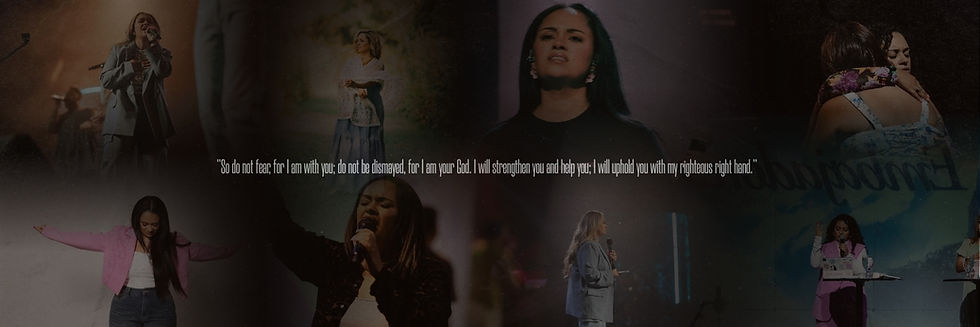
Music has always been a powerful tool for expression, connection, and empowerment. For women, it serves as a unique avenue to share their stories, uplift their communities, and inspire change. In the realm of ministry, music becomes a vital part of spiritual expression and community building. This blog post explores how women are using music and ministry to empower themselves and others, creating a ripple effect of positive change.

The Role of Music in Empowerment
Music as a Form of Expression
Music allows individuals to express their emotions and experiences in ways that words alone often cannot. For women, this expression can be particularly liberating. Through songwriting and performance, women can share their unique perspectives, struggles, and triumphs. This not only fosters personal healing but also resonates with others who may be experiencing similar challenges.
Building Community Through Song
When women come together to create music, they build a sense of community and support. Choirs, bands, and music groups provide a space for collaboration and connection. These environments encourage women to uplift one another, share their talents, and celebrate their achievements. The collective energy generated in these spaces can be transformative, fostering a strong sense of belonging.
The Intersection of Music and Ministry
Spiritual Connection Through Music
In many religious settings, music plays a crucial role in worship and spiritual connection. For women in ministry, music becomes a means to connect with their faith and share it with others. Whether through leading worship services or participating in church choirs, women use music to express their devotion and inspire others in their spiritual journeys.
Empowering Messages in Lyrics
Many women songwriters infuse their music with messages of empowerment, resilience, and hope. These lyrics can serve as powerful affirmations for listeners, encouraging them to overcome obstacles and embrace their true selves. Songs that speak to issues such as self-worth, faith, and perseverance resonate deeply, providing comfort and motivation.
Case Studies of Empowerment Through Music and Ministry
Example 1: Women’s Choir Initiatives
In various communities, women’s choirs have emerged as a powerful force for empowerment. These choirs not only provide musical training but also create a supportive environment for women to share their stories. For instance, the Sisterhood Choir in Atlanta focuses on uplifting women from diverse backgrounds. Through their performances, they raise awareness about social issues while fostering a sense of unity and strength among members.
Example 2: Songwriting Workshops
Songwriting workshops specifically designed for women can be transformative. These workshops often focus on personal storytelling, allowing participants to craft songs that reflect their experiences. Organizations like Girls Write Now provide mentorship and resources for young women to explore their creativity through songwriting. The resulting songs often address themes of empowerment, identity, and resilience, inspiring both the writers and their audiences.
The Impact of Technology on Music and Ministry
Digital Platforms for Sharing Music
With the rise of digital platforms, women in music and ministry have unprecedented opportunities to share their work. Platforms like YouTube, Spotify, and social media allow artists to reach wider audiences and connect with fans globally. This accessibility empowers women to share their messages and stories without traditional barriers.
Online Communities and Support Networks
The internet has also facilitated the creation of online communities where women can connect, collaborate, and support one another. These networks provide a space for sharing resources, advice, and encouragement. Women can find mentors, collaborate on projects, and share their music with a supportive audience.
Challenges Faced by Women in Music and Ministry
Gender Bias in the Music Industry
Despite the progress made, women in the music industry still face significant challenges, including gender bias and unequal opportunities. Many female artists struggle to gain recognition and support compared to their male counterparts. This disparity can discourage women from pursuing their musical passions or taking on leadership roles in ministry.
Balancing Roles and Responsibilities
For many women, balancing the demands of music, ministry, and personal life can be challenging. Juggling these responsibilities often requires significant time management and support. Women in ministry may find themselves taking on multiple roles, from leading worship to managing community outreach, which can lead to burnout.
Strategies for Overcoming Challenges
Building Supportive Networks
Creating and nurturing supportive networks is essential for women in music and ministry. By connecting with other women who share similar experiences, individuals can find encouragement and advice. These networks can also provide opportunities for collaboration and mentorship, helping women navigate the challenges they face.
Seeking Professional Development
Investing in professional development can empower women to overcome barriers in the music industry. Workshops, training programs, and mentorship opportunities can provide valuable skills and knowledge. Organizations focused on women in music, such as Women in Music, offer resources and support to help women thrive in their careers.
The Future of Women in Music and Ministry
Increasing Representation
As more women take on leadership roles in music and ministry, representation is gradually improving. This shift is crucial for inspiring the next generation of female artists and leaders. By showcasing diverse voices and experiences, the music and ministry landscape can become more inclusive and empowering.
Continued Advocacy for Change
Advocacy for gender equality in the music industry and ministry is essential. Organizations and individuals must continue to push for equal opportunities, recognition, and support for women. By raising awareness and challenging existing biases, we can create a more equitable environment for all.
Conclusion
Women are using music and ministry as powerful tools for empowerment, connection, and change. Through their voices, they inspire others and create communities of support. By addressing the challenges they face and advocating for equality, women can continue to uplift themselves and others through the transformative power of music.
As we move forward, let us celebrate the contributions of women in music and ministry, and support their journeys toward empowerment and success. Whether you are a musician, a member of a ministry, or simply an admirer of their work, consider how you can contribute to this movement. Engage with local initiatives, support women artists, and share their stories. Together, we can amplify their voices and foster a more inclusive and empowering future.


Comments